
Understanding Pre-Diabetes: What It Means and What You Can Do
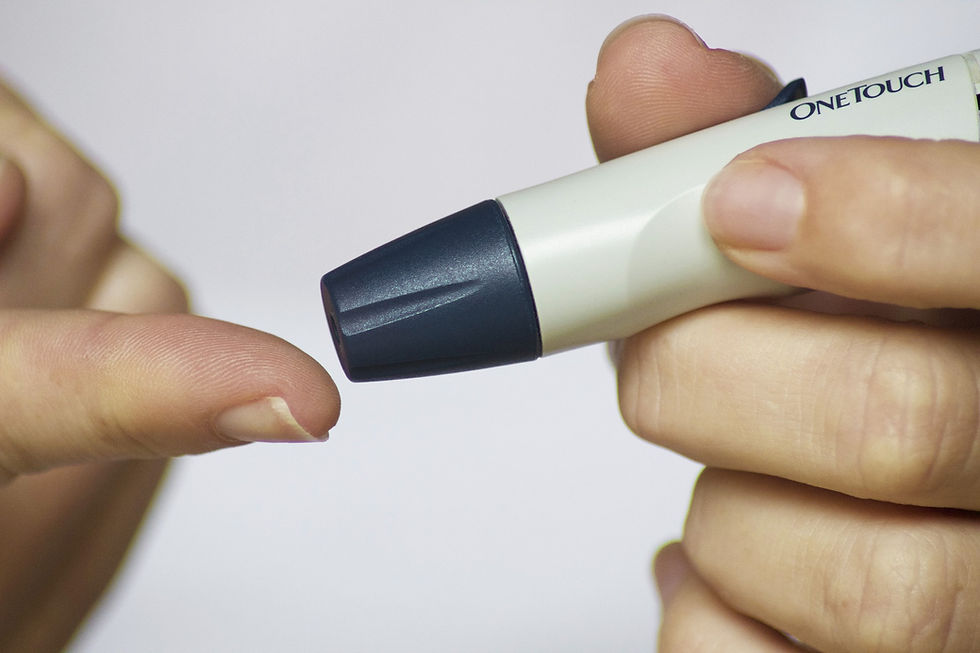
Pre-diabetes is more common than many people realize—and the good news is that it can be reversed. But to take action, it’s important to understand what pre-diabetes means and how it affects your health.
What Is Pre-Diabetes?
Pre-diabetes occurs when your blood sugar levels are higher than normal, but not high enough to be diagnosed as type 2 diabetes. Think of it as a warning sign—your body is telling you that changes are needed to keep you healthy.
Millions of people have pre-diabetes and don’t know it because, in most cases, it causes no noticeable symptoms.
Common Risk Factors
Anyone can develop pre-diabetes, but some factors increase your risk:
Family history of diabetes
Being overweight, especially around the midsection
A lack of regular physical activity
Being age 45 or older
High blood pressure or abnormal cholesterol levels
How Is Pre-Diabetes Diagnosed?
Healthcare providers typically use one of the following tests:
A1C Test – measures average blood sugar over 3 months
Fasting Blood Glucose Test
Oral Glucose Tolerance Test
If your numbers are slightly elevated, your provider may recommend lifestyle changes to bring blood sugar back into a healthy range.
The Good News: Pre-Diabetes Is Reversible
Unlike many chronic conditions, pre-diabetes can often be turned around with simple, sustainable habits. Even small improvements can make a big difference.
Here are key steps that help:
Move more. Aim for at least 30 minutes of activity most days—walking counts!
Choose balanced meals. Focus on lean proteins, vegetables, fiber-rich foods, and reduce added sugars.
Monitor portions. Eating slowly and stopping when full really helps.
Manage stress and sleep. High stress and poor sleep can raise blood sugar levels.
Work with a healthcare professional. Getting guidance and support boosts success.
Why Taking Action Matters
If pre-diabetes is left untreated, it may progress to type 2 diabetes, which can lead to serious health problems such as heart disease, kidney disease, nerve damage, and vision issues. But by addressing pre-diabetes early, you can protect your long-term health and feel better day-to-day. At Advanced Wellness & Health, we help patients get back on track with their health goals. If you're ready to start the journey, contact us here.


Comments